
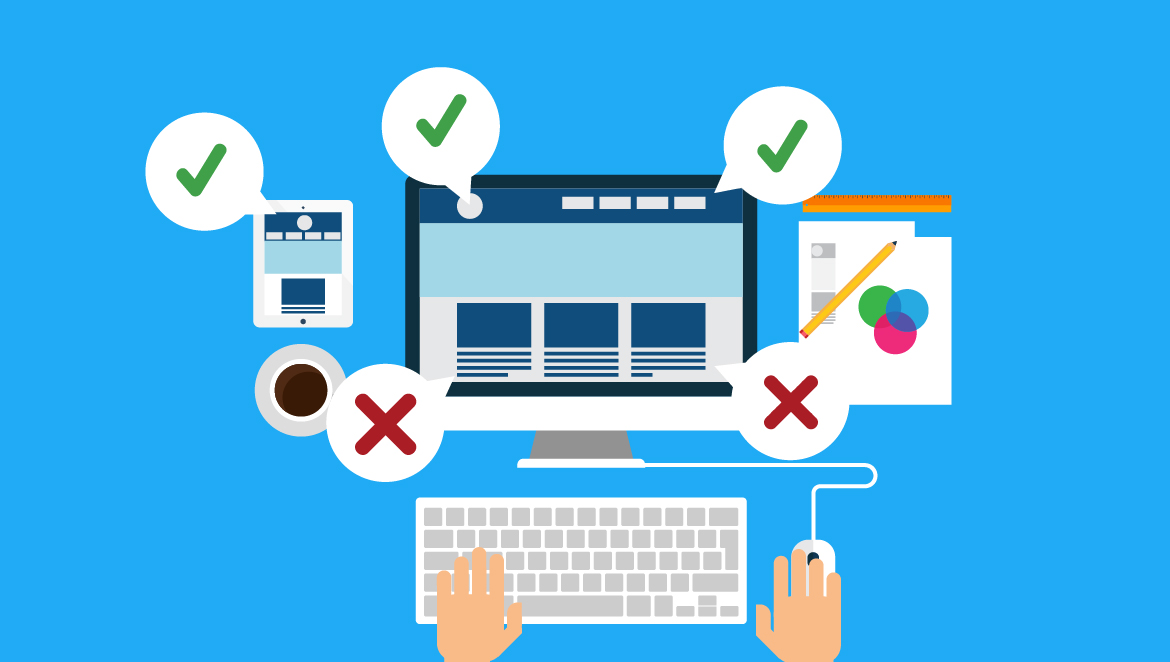
“A website shouldn’t just look professional—it should build trust, create opportunities, and work for your business 24/7.”
When business owners talk about growth, the conversation usually revolves around marketing, sales, customer service, or hiring the right people. Rarely does anyone mention their website. Yet, for many businesses, the website is the first place potential customers go before they make a decision.
Think about your own habits. When someone recommends a business, what’s the first thing you do? You search for it online. Within a few seconds, you’ve already formed an opinion. If the website looks outdated, takes forever to load, or leaves you confused about what the business actually does, chances are you’ll keep looking.
Your customers are no different.
The difficult part is that most businesses never know when they’re losing potential clients this way. Nobody sends an email saying, “Your website made me choose someone else.” They simply leave. That’s why your website can quietly become one of the biggest reasons you’re missing out on opportunities without ever realizing it.
One of the clearest signs is speed. We live in a world where people expect information almost instantly. If your website takes several seconds to load, many visitors won’t wait around to see what you have to offer. They’ll close the page and move on. It doesn’t necessarily mean your business isn’t good—it just means your first impression wasn’t.
Another sign is a website that doesn’t work well on mobile phones. Today, most people browse the internet from their phones. If they have to pinch the screen, zoom in to read text, or struggle to click buttons, you’ve already made doing business with you feel difficult. A good website should feel effortless, whether someone is using a laptop in the office or a smartphone while waiting for a meeting to start.
Then there’s the question I ask many business owners: What do you want visitors to do when they land on your website?
Surprisingly, many can’t answer it.
A website shouldn’t leave people guessing. Whether you want them to call, request a quotation, book an appointment, or send an enquiry, the next step should be obvious. If visitors have to figure it out on their own, many simply won’t bother.
Another common issue is outdated content. Businesses evolve, but their websites often don’t. New services are introduced, phone numbers change, projects are completed, and teams grow, yet the website continues telling a story from three or four years ago. When visitors notice outdated information, they naturally wonder whether the business itself is still active.
Perhaps the simplest test of all is this: are you proud to share your website?
The next time someone asks for your website link, pay attention to your reaction. If you send it with confidence, that’s a good sign. If you hesitate or immediately start explaining why it’s old or promising that you’re “working on a new one,” your website is probably no longer serving your business the way it should.
The truth is, a website isn’t there just to look nice. It’s there to help people trust you before they’ve even spoken to you. It’s there to answer questions, remove doubt, and make it easy for someone to take the next step. In many ways, it’s your best salesperson because it never sleeps, never takes a day off, and is always available when someone wants to learn about your business.
I’ve seen businesses spend heavily on advertising only to send potential customers to websites that undermine all that effort. That’s like inviting people into a beautiful office building with a broken front door. The marketing may attract attention, but the website determines whether that attention turns into real opportunities.
The good news is that improving a website doesn’t always require starting from scratch. Sometimes it’s the small changes that make the biggest difference—improving the loading speed, simplifying the message, making it easier to navigate, updating the content, or adding a clear call to action. These aren’t just design improvements; they’re business improvements.
Your website should make it easier for people to choose you. It should give visitors confidence, answer their questions, and encourage them to take the next step. If it isn’t doing that, then it’s worth asking whether your website is working for your business—or quietly working against it.
Because at the end of the day, a website shouldn’t just look professional—it should build trust, create opportunities, and work for your business 24/7.