
Most of us think about “data” as something big companies collect. We picture offices, computers, reports, and analysts studying charts.
But the truth is much closer to home.
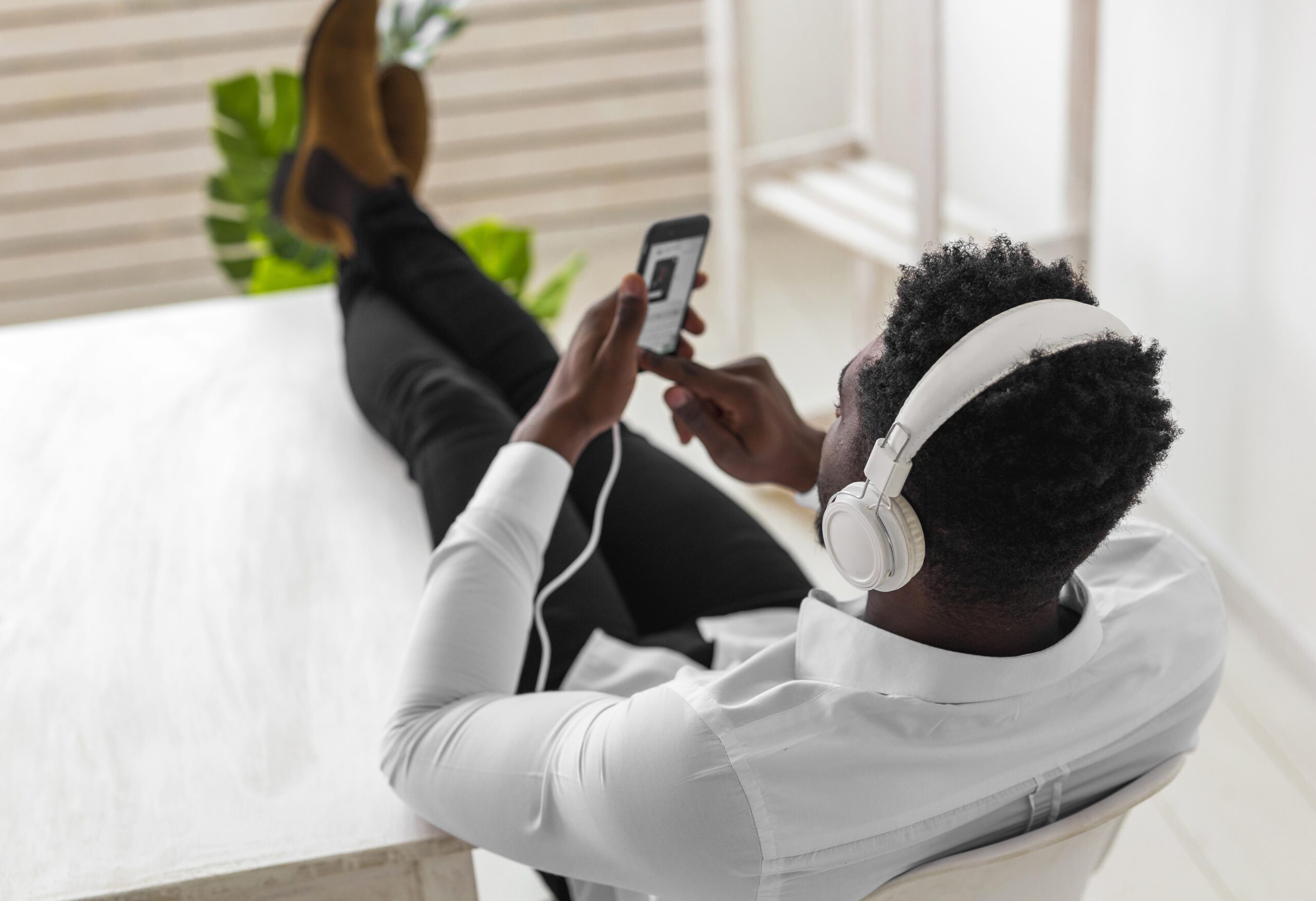
Your smartphone already collects data about you every single day.
It knows how much you move. It knows how long you spend on certain apps. It keeps a record of what you search for. It tracks where you go and how often you go there. It even shows you how much time you spend staring at your screen.
And yet, most of us never look at this information seriously.
We say we are tired, but we don’t check how late we stayed online.
We say we are busy, but we don’t check where our time actually went.
We say we are active, but we don’t check our step count for the week.
The issue is not that we don’t have data.
The issue is that we ignore it.
Your phone is quietly showing you your habits. It is showing you patterns in your daily life. It is giving you honest feedback. But feedback only helps if you are willing to look at it.
If your screen time report shows three hours on social media each day, that is not just a number. That is three hours of your life. If your movement data shows you have been less active this month, that is not random. That is a trend.
Small habits, repeated daily, shape bigger results over time.
In business, we measure performance to improve it. We track expenses. We track sales. We track growth. But in our personal lives, we often rely only on feelings.
“I think I’m productive.”
“I feel like I’m improving.”
“I believe I’m managing my time well.”
But what does the data say?
Digital maturity starts when you stop using your phone only for entertainment and start using it for awareness. It starts when you check your usage, your steps, your patterns, and ask simple questions:
Is this helping me?
Is this aligned with my goals?
Is this how I want to spend my time?
Your smartphone is not just a device for calls and messages. It is a mirror. It reflects your daily choices.
The information is already there.
The real question is: are you paying attention?
What has your own phone quietly revealed about your habits?